
As a city administrator or IT director, you’re likely facing mounting pressure to modernize your municipality’s technology infrastructure. Legacy systems are expensive to maintain, vulnerable to security threats, and increasingly unable to meet the expectations of tech-savvy residents. In today’s rapidly evolving digital landscape, cloud migration has emerged as a strategic imperative for local governments seeking to improve efficiency, enhance security, and deliver better citizen services. This comprehensive guide will walk you through everything you need to know about municipal cloud migration—from understanding the benefits to navigating the challenges and implementing a successful strategy.
Understanding Cloud Migration: What It Means for Your Municipality
Cloud migration is the process of moving your city’s digital assets—including data, applications, and IT infrastructure—from on-premises servers to cloud-based platforms. Rather than maintaining physical servers in your city hall basement, your systems run on secure, remote servers managed by professional cloud service providers.
For municipalities, this isn’t just an IT upgrade—it’s a strategic business decision that impacts cost control, operational resilience, cybersecurity, and regulatory compliance. The global cloud migration services market is projected to reach $52.3 billion by 2033, with government and public sector organizations leading the adoption charge.
The Compelling Benefits of Cloud Computing for Local Government
Real-Time Data Access and Improved Efficiency
Cloud computing enables your government officials to access and record critical data from any location using a computer or mobile device. Whether conducting inspections, managing emergencies, or enforcing codes, your team can work efficiently from the field. Data is automatically stored, integrated into dashboards, and regularly backed up—ensuring continuous access and protection against data breaches or ransomware attacks.
Enhanced Cybersecurity and Data Protection
Contrary to common misconceptions, cloud platforms often provide superior security compared to on-premises systems. Cloud providers invest heavily in advanced security measures, including data encryption, multi-factor authentication, and regular security updates—capabilities that many local governments cannot match with limited IT budgets. With cyberattacks on local governments increasing by 50% over the last five years, robust cloud security is no longer optional.

Significant Cost Savings
Cloud computing reduces the need for expensive on-site hardware, IT infrastructure, and large IT staff. You’ll lower initial capital expenditures and ongoing operational costs like energy consumption and hardware maintenance. Cloud solutions typically operate on a predictable subscription-based model, allowing for better budget planning and the flexibility to adjust services as your community’s needs change.
Scalability and Flexibility
Cloud services offer unmatched scalability, allowing your municipality to easily adjust computing power and storage based on fluctuating demands—whether handling seasonal workloads, community growth, or new service initiatives. This ensures optimal performance without the need for costly physical hardware upgrades.
Automation of Manual Processes
Cloud-based software automates inefficient manual processes that drain staff time and resources. This includes online filing of permits and licenses, automatic document routing to relevant officials, simplified online payment processing for residents, and automated task assignments for inspections and maintenance.
Key Trends Shaping Municipal Cloud Migration in 2026
Hybrid and Multi-Cloud Strategies
The most popular cloud strategy for municipalities is the hybrid cloud approach, combining public cloud services with private cloud or on-premises infrastructure. Approximately 89% of organizations now operate multi-cloud strategies, leveraging various cloud environments to reduce vendor lock-in and enhance resilience. This approach allows you to keep sensitive data on private servers while utilizing public cloud services for less critical applications.
FinOps Frameworks for Cost Optimization
As municipalities move to consumption-based cloud pricing, implementing Financial Operations (FinOps) frameworks has become essential. This approach emphasizes strict cost governance and detailed optimization of cloud expenditures. Without strong oversight, cloud costs can scale rapidly due to subscription creep, data transfer fees, and underutilized resources. Successful municipalities are proactively modeling cloud costs and evaluating each system individually for cost-effectiveness.
Integration of AI and Advanced Analytics
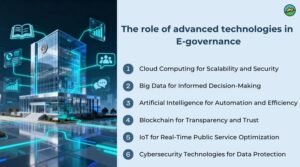
Modern cloud platforms enable municipalities to leverage artificial intelligence and big data analytics for improved decision-making. From predictive maintenance of city infrastructure to AI-powered chatbots for citizen services, cloud computing provides the high-performance computing and elastic storage environments needed for these advanced applications.
Navigating the Challenges: What City Leaders Must Consider
The Skills Gap
A significant challenge facing municipalities is the shortage of qualified professionals in cloud security and administration. This talent gap can delay migration initiatives and increase the risk of misconfigurations and security breaches. Consider partnering with experienced cloud migration specialists who understand the unique needs of local government.
Internet Connectivity Requirements
Reliable internet connectivity is crucial for smooth operation of cloud-based systems. Municipalities, especially those in areas with unreliable internet, need contingency plans for disruptions. Consider using multiple internet providers and implementing network traffic management strategies to ensure continuous service delivery.
Compliance and Data Sovereignty
Local governments must navigate complex regulatory requirements, including data residency laws and compliance standards. Ensure your cloud provider understands government-specific requirements and can demonstrate compliance with relevant regulations. For federal grant-funded programs, FedRAMP certification may be required.
A Practical Roadmap for Municipal Cloud Migration
Phase 1: Envision Your Future State
Begin by clarifying your municipality’s business priorities. Identify areas for immediate improvement, systems requiring modernization, and potential risks that need mitigation. Engage stakeholders across all departments to understand their needs and concerns.
Phase 2: Assess and Rationalize Your IT Estate
Conduct a comprehensive inventory of your current IT infrastructure. Categorize every workload across the migration spectrum: rehost (lift-and-shift), replatform (minor optimizations), refactor (significant code changes), rearchitect (redesign), rebuild (start from scratch), or retire (eliminate). This prevents blind lift-and-shift decisions that fail to capture cloud benefits.
Phase 3: Build a Secure Landing Zone
Before migrating any systems, establish security baselines, identity and access control protocols, network architecture, policy enforcement mechanisms, and cost governance guardrails. This foundation ensures security and compliance from day one.
Phase 4: Execute Migration with Intent
Implement your migration based on the defined paths from Phase 2. Prioritize high-value systems first, creating phased migration plans that minimize disruption to citizen services. A typical municipal migration wave takes 8-12 months, including discovery, pilots, migration, and post-migration support.
Phase 5: Govern, Optimize, and Scale
After migration, implement continuous cost optimization, security posture management, operational governance, and performance monitoring. Embed FinOps principles to ensure your cloud investment delivers ongoing value.
Making the Case to Your Council and Community
When presenting cloud migration to elected officials and the public, focus on tangible benefits:
- Improved Citizen Services: Faster response times, 24/7 online services, and mobile-friendly access
- Cost Savings: Reduced IT infrastructure costs and more predictable budgeting
- Enhanced Security: Professional-grade protection for sensitive resident data
- Disaster Recovery: Automatic backups and rapid recovery capabilities
- Environmental Benefits: Reduced energy consumption and carbon footprint
Taking the First Step
Cloud migration doesn’t have to be overwhelming. By following these best practices and working with experienced partners who understand municipal government, your city can successfully modernize its technology infrastructure. The municipalities that take action now will be better positioned to serve their communities effectively, operate more efficiently, and meet the rising expectations of 21st-century residents.
Ready to explore how cloud computing can transform your municipal operations? The journey begins with understanding your current state, defining your goals, and partnering with experts who specialize in government technology solutions. Your community deserves modern, efficient, and secure digital services—and cloud migration is the pathway to delivering them.
Contact mycitygov.com today to learn how we can help your municipality navigate the cloud migration journey with confidence. Our team specializes in helping local governments modernize their technology infrastructure while maintaining security, compliance, and fiscal responsibility.