
Municipal leaders across the country are grappling with how to modernize their cities while managing tight budgets and rising citizen expectations. If you’re a mayor looking to implement smart city technology without overwhelming your team or breaking the bank, you’re not alone. Recent studies show that 73% of small and mid-sized cities are actively exploring smart city initiatives, yet many struggle with where to begin. Here’s what you need to know about taking practical first steps toward becoming a smart city.
Understanding Smart City Technology in 2025
Smart city technology isn’t just for major metropolitan areas anymore. In 2025, cities of all sizes are leveraging Information and Communication Technologies (ICT) and Internet of Things (IoT) devices to optimize services, improve sustainability, and better connect with residents. The key is understanding that “smart” doesn’t mean implementing every cutting-edge technology—it means strategically choosing solutions that address your community’s specific challenges.
A smart city uses innovative technologies to improve community services, enhance infrastructure, reduce costs and resource consumption, and increase civic engagement. For mayors, this translates into tangible benefits: reduced operational costs, improved citizen satisfaction, better data-driven decision-making, and enhanced resilience during emergencies.
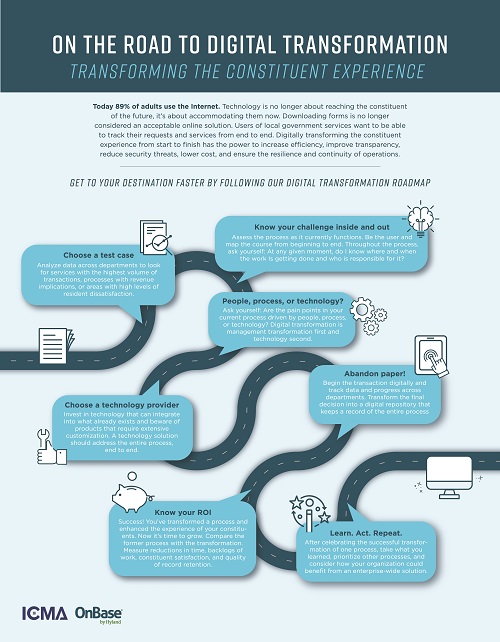
Start with Assessment, Not Technology
The biggest mistake mayors make is jumping straight to technology solutions before understanding their city’s unique needs. Before evaluating any smart city platform or vendor, take these critical first steps:
Assess Your Current Infrastructure: Conduct a thorough evaluation of your existing systems, their age, performance, and maintenance costs. Identify specific pain points where technology could yield significant positive impacts. For example, are you losing revenue due to water leaks? Is traffic congestion affecting local businesses? Are residents frustrated with slow permit processing?
Define Clear, Measurable Objectives: Set specific goals that align with your city’s vision. Rather than a vague goal like “become smarter,” aim for concrete targets such as “reduce traffic congestion by 20% within three years” or “decrease water loss from leaks by 30% within 18 months.” These SMART objectives will guide your technology choices and help you measure success.
Understand Your Budget Reality: Smart city initiatives don’t require massive upfront investments. Many successful projects use budget-neutral financing options like energy savings performance contracts, where improvements are paid for through guaranteed efficiency savings. Explore diverse funding sources including federal grants from the Bipartisan Infrastructure Law, Department of Commerce initiatives, and public-private partnerships.
Prioritize Quick Wins and Pilot Projects
The most successful smart city mayors start small and build momentum. Rather than attempting a comprehensive citywide transformation, focus on pilot projects that can demonstrate value quickly:
Smart LED Streetlights: This is often the ideal first project. Modern networked LED streetlights reduce energy costs by 40-60% while serving as a foundational infrastructure for other smart city applications. Cities like Colorado Springs are using smart streetlight controllers to monitor energy consumption and adjust dimming schedules, achieving significant savings while improving public safety.
Smart Water Management: For cities facing water infrastructure challenges, smart meters with Advanced Metering Infrastructure (AMI) provide accurate real-time data, detect leaks early, and enable auto-shut-off features. Jacksonville, Texas saved millions of gallons of water during a freeze event thanks to their smart water meter system with remote shut-off capabilities.
Digital Permitting and Self-Service Portals: Streamlining administrative processes through online portals improves citizen satisfaction while reducing staff workload. These systems typically have quick implementation timelines and immediate visible benefits that build public support for broader initiatives.
Public Wi-Fi in Key Areas: Providing free public Wi-Fi in downtown areas, parks, or community centers promotes digital inclusion and supports remote work and learning—priorities that have become increasingly important post-pandemic.
Engage Your Community from Day One
Smart city technology should serve your residents, not just impress them. Successful mayors make stakeholder engagement a cornerstone of their smart city strategy:
Gather Diverse Input: Conduct public meetings, surveys, and focus groups to understand what matters most to different segments of your community. Long Beach, California’s Collaboratory program directly sought resident input for neighborhood-level problems, ensuring their smart city investments addressed real community needs.
Communicate Value Clearly: Help residents understand how smart city projects will improve their daily lives. Will they be able to report potholes through a mobile app? Will they have better access to city services online? Clear communication builds public support and adoption.
Foster Cross-Department Collaboration: Smart city initiatives often span multiple departments—public works, utilities, law enforcement, IT, and administration. Establish clear communication channels and shared objectives across these teams to ensure successful implementation.
Choose the Right Technology Partners
As a mayor, you’re not expected to be a technology expert, but you do need to ask the right questions when evaluating vendors:
Look for Government Experience: Choose partners with proven track records serving municipalities. Government technology has unique requirements around security, compliance, accessibility, and long-term support that differ from private sector solutions.
Prioritize Interoperability: Your smart city solutions should work together, not create new data silos. Ask vendors about open standards, API capabilities, and integration with existing systems.
Demand Strong Security: With cyberattacks on local governments increasing by 50% over the past five years, robust cybersecurity must be non-negotiable. Ensure vendors can demonstrate compliance with relevant standards and provide ongoing security updates.
Plan for Long-Term Support: Technology implementation is just the beginning. You need a partner committed to ongoing maintenance, training, and system upgrades. Ask about their support model, response times, and track record with other municipalities.
Leverage Data While Protecting Privacy
Smart cities generate vast amounts of data, which can drive better decision-making—but only with proper governance:
Establish Clear Data Policies: Before deploying sensors or collecting new data, develop comprehensive policies covering data collection, storage, usage, and sharing. Be transparent with residents about what data you’re collecting and why.
Ensure Compliance: Your data practices must comply with all relevant local, state, and federal regulations. Work with legal counsel to ensure your smart city initiatives meet privacy and security requirements.
Use Data to Drive Decisions: The real value of smart city technology lies in actionable insights. Cities like Coral Gables, Florida used predictive analytics and data from their community intelligence center to reduce crime by 40% in just two years. Focus on collecting data that directly supports your defined objectives.
Build on Success and Learn from Setbacks
Smart city development is an iterative process. The most successful mayors embrace a mindset of continuous improvement:
Measure and Report Results: Track key performance indicators for each initiative and share results transparently with your community. Celebrate successes and be honest about challenges.
Start Small, Scale Smart: Use pilot projects to test technologies before citywide deployment. This approach allows you to learn from experimentation, make adjustments, and build internal capacity before scaling up.
Stay Informed on Emerging Trends: The smart city landscape evolves rapidly. In 2025, key trends include AI-powered urban transportation, IoT-based waste management, 5G-Advanced connectivity, and digital twin technology for urban planning. Stay connected with organizations like the United States Conference of Mayors, which offers resources and peer learning opportunities through programs like the Mayors Leadership Institute on Smart Cities.
Taking Your First Steps
Implementing smart city technology doesn’t have to be overwhelming. By following these best practices and working with experienced partners, your municipality can improve services, reduce costs, and better serve your community. At mycitygov.com, we specialize in helping local governments navigate these digital transformations successfully.
The journey toward becoming a smart city starts with a single step. Whether it’s upgrading to smart streetlights, implementing a digital permitting system, or launching a citizen engagement platform, the key is to start with clear objectives, engage your community, and choose partners who understand the unique needs of local government.
Ready to modernize your municipal technology? Contact mycitygov.com for a free consultation and discover how we can help transform your digital presence while staying within your budget and meeting your community’s specific needs.