
Municipal leaders across the country are grappling with how to leverage smart city technology to improve services and meet rising citizen expectations. If you’re a mayor looking to modernize your city’s infrastructure and operations, you’re not alone. Recent studies show that the smart city market is projected to reach $949.94 billion in 2025, growing to $1,987.43 billion by 2029. Here’s what you need to know about taking practical first steps toward becoming a smart city.
Understanding Smart City Technology
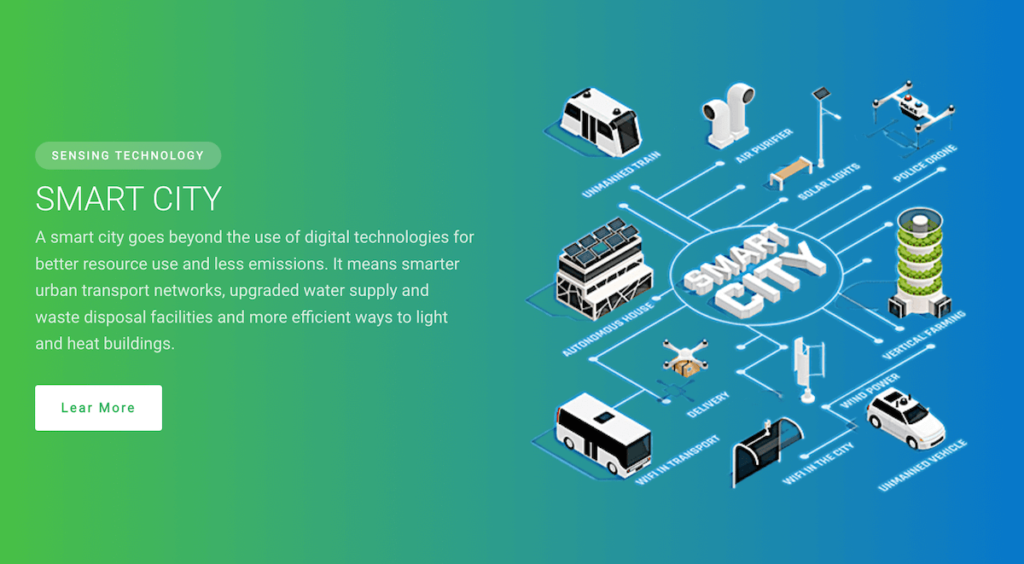
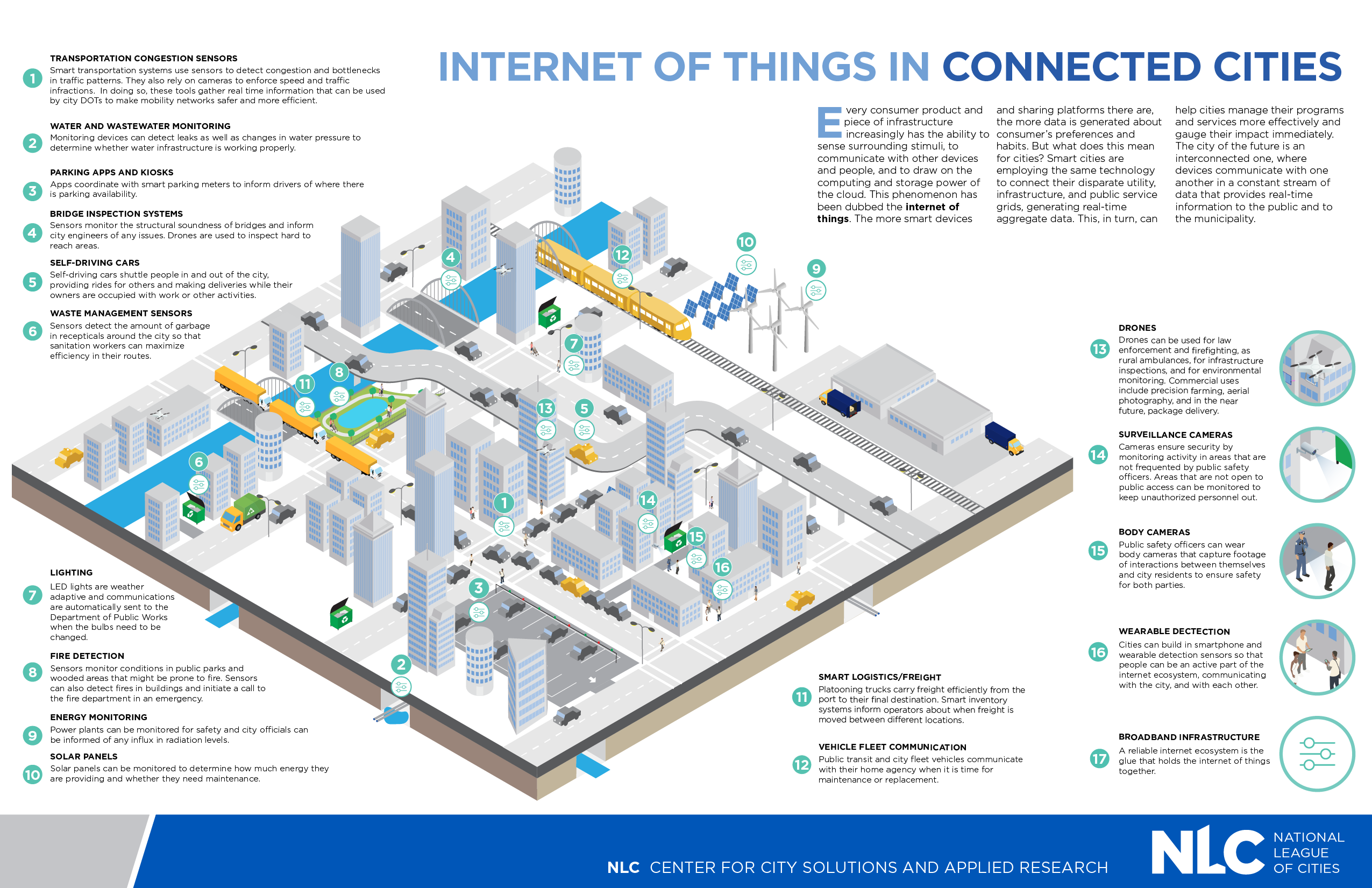
Smart city technology isn’t just about flashy gadgets or futuristic concepts—it’s about using data and digital tools to solve real problems your residents face every day. At its core, smart city implementation involves leveraging Internet of Things (IoT) devices, data analytics, and artificial intelligence to optimize municipal services, from traffic management to waste collection.
The good news? You don’t need a massive budget or a complete infrastructure overhaul to get started. Many successful smart city initiatives begin with focused, lower-technology projects that deliver measurable impact. Cities like Boulder, Colorado, and Columbus, Ohio, have demonstrated that strategic, incremental approaches can yield significant results without overwhelming your budget or staff.
Key Considerations for Municipal Leaders
Before diving into specific technologies, mayors should consider several critical factors that will determine the success of smart city initiatives:
Start with Community Needs, Not Technology
The most successful smart city projects begin by identifying specific community challenges rather than implementing technology for its own sake. Are residents frustrated with traffic congestion? Is your city struggling with aging water infrastructure? Do citizens want better access to city services? Let these pain points guide your technology decisions.
Ensure Transparent Governance and Citizen Engagement
Smart city initiatives require robust community engagement from the planning stages through implementation. Residents need to understand what data you’re collecting, how it will be used, and how their privacy will be protected. Cities like Portland, Oregon, have mandated that smart city projects must benefit marginalized communities and include meaningful engagement processes.
Address the Digital Divide
Not all residents have equal access to digital technologies. As you implement smart city solutions, consider how to close the digital divide through expanded broadband access, digital literacy training, and subsidized devices. This ensures that all community members can benefit from and provide feedback on new initiatives.
Prioritize Cybersecurity from Day One
With increased connectivity comes increased vulnerability. Smart city platforms must incorporate privacy-by-design principles, strong encryption, and robust authentication systems. The cost of a data breach—both financial and reputational—far exceeds the investment in proper security measures.

Best Practices and Implementation Strategies
Based on successful implementations across municipalities of all sizes, here are practical first steps mayors can take:
1. Focus on Quick Wins with High Impact
Start with projects that don’t require massive technological investment but can demonstrate clear value. Examples include:
- Smart Water Meters: Cities like Kalamazoo, Michigan, and Jacksonville, Texas, have implemented smart water meters that provide near real-time data, detect leaks early, and help residents conserve water. Jacksonville’s system proved vital during a freeze event, helping prevent widespread damage.
- Intelligent Street Lighting: LED streetlights with sensors can reduce energy consumption by up to 40% while serving as a framework for broader smart city infrastructure. Clark County, Nevada, is even piloting solar-powered streetlights to combat copper wire theft.
- Digital Service Portals: Creating a self-service portal where residents can pay bills, apply for permits, and access information 24/7 improves citizen satisfaction while reducing administrative burden on staff.
2. Leverage Existing Data Sources
You may already have valuable data that, when properly analyzed, can improve decision-making. Washington D.C.’s movement analytics program uses existing video camera data to optimize traffic flow and resource allocation. Similarly, cities can use housing data to prioritize safety initiatives or map publicly available information to guide investments in affordable housing.
3. Build Strategic Partnerships
Smart city success often depends on collaboration between public and private sectors. Look for technology partners with proven experience in the government sector who understand the unique challenges of municipal operations. The right vendor should offer not just technology, but ongoing support, training, and a commitment to your long-term success.
4. Implement Pilot Programs
Before committing to city-wide deployment, test technologies through pilot programs. San Antonio, Texas, employs “rapid prototyping” to test technologies before procurement, reducing risk and ensuring solutions actually meet community needs. Peachtree Corners, Georgia, is creating a digital twin of its downtown to explore smart mobility solutions before full implementation.
5. Establish Clear Governance Frameworks
Create policies that define what data will be collected, how it will be stored, who owns it, and how it can be shared. Maintain public ownership or control over data generated from smart city devices, especially in public-private partnerships. Make algorithms used for data analysis publicly available and subject to audit to prevent bias.
Common Pitfalls to Avoid
Learning from other cities’ experiences can help you avoid costly mistakes:
Don’t Let Vendors Drive Your Strategy
While technology companies can be valuable partners, your smart city strategy should be driven by community needs, not vendor capabilities. Resist the temptation to implement technology simply because it’s available or trendy.
Avoid Siloed Implementations
Smart city initiatives work best when integrated across departments. Establish unified infrastructure and governance to prevent fractured ownership and ensure different systems can communicate effectively.
Don’t Underestimate Change Management
Technology is only as effective as the people using it. Invest in training for staff and education for residents. Cities that neglect the human element of digital transformation often see low adoption rates and poor ROI.
Don’t Ignore Equity Concerns
Smart city technologies can inadvertently widen existing disparities if not implemented thoughtfully. Ensure that projects benefit all residents, particularly marginalized communities, and actively work to prevent technology from exacerbating inequality.
Measuring Success and ROI
To justify continued investment and demonstrate value to constituents, establish clear metrics for success:
- Efficiency Gains: Track reductions in energy consumption, water waste, or staff time spent on routine tasks
- Cost Savings: Document decreased operational costs and avoided expenses from preventive maintenance
- Citizen Satisfaction: Measure improvements in service delivery speed, accessibility, and resident feedback
- Environmental Impact: Quantify reductions in carbon emissions, waste, or resource consumption
- Economic Development: Monitor increases in business activity, job creation, or property values
Pittsburgh’s smart traffic system provides a compelling example: the city achieved a 21% reduction in emissions and a 41% decrease in wait times—clear, measurable outcomes that justify the investment.
Next Steps for Your Municipality
Starting your smart city journey doesn’t require a complete transformation overnight. Here’s a practical roadmap:
- Assess Your Current State: Evaluate your existing infrastructure, technology capabilities, and staff skills
- Identify Priority Challenges: Work with department heads and community members to pinpoint the most pressing issues
- Research Best Practices: Learn from cities of similar size and demographics that have successfully implemented smart city solutions
- Start Small: Choose one or two pilot projects that address real needs and can demonstrate quick wins
- Build Your Team: Assemble a cross-functional team including IT, operations, communications, and community engagement staff
- Select the Right Partners: Choose technology vendors with municipal experience, strong security practices, and commitment to ongoing support
The journey toward becoming a smart city requires careful planning and the right technology partner. Municipal leaders who take action now will be better positioned to serve their communities effectively and meet the evolving expectations of 21st-century residents.
Ready to Transform Your City’s Digital Future?
At mycitygov.com, we specialize in helping municipalities navigate digital transformation successfully. Our comprehensive platform combines cutting-edge technology with deep understanding of local government needs, providing the tools and support you need to build a smarter, more responsive city.
From modern, accessible municipal websites to integrated citizen service portals, we’ve helped cities across the country improve operations, enhance transparency, and deliver better services to their residents. Our team understands the unique challenges mayors face—limited budgets, compliance requirements, and the need to demonstrate clear ROI to constituents.
Ready to take the first step toward smart city transformation? Contact mycitygov.com for a free consultation and discover how we can help you leverage technology to build a better future for your community.
